

Patio Electric Heater
Electric patio heaters are the modern way to extend outdoor living spaces. Unlike older natural gas and propane-powered patio heaters that emit carbon monoxide, electric models don't require ventilation and are safe to use in enclosed spaces, provided they are not left unattended.
To determine the power (BTUs) required to heat your space, you must calculate the cubic footage of the space and the temperature rise you would like to achieve.
Power
Patio heaters can keep outdoor living spaces comfortable and warm even when the sun goes down and temperatures fall. The heat emitted by the heaters to nearby objects and surfaces. They are available in gas, propane and electric models. The ideal choice for your outdoor space is contingent on the availability of fuel and power sources. The propane and gas patio heaters rely on natural or liquid fuel, whereas electrical patio heaters use electricity to generate heat. In general, propane and natural gas patio heaters have higher BTU ratings than electric patio heaters.
Electric patio heaters plug into 120-volt outlets of standard They are therefore the easiest to set up. They might not provide the same amount of heat as propane or natural gas models however, and the frequent usage of a patio heater powered by electricity will increase your electric bill. Propane patio heaters, such as our top choice, the AZ Patio Heaters propane patio heater, make use of 20-pound tanks of propane that can be filled at local convenience stores or gas stations. They are portable, and can be moved around to keep the area heated as the sun moves across.
There are now freestanding electric heaters that can be used in pub environments. They are available in addition to the parasol or wall mounted units. These mount either to the parasol's struts or can be secured to the main pole of the unit. This makes them vulnerable to theft, so it is important to consider the place of a device such as this.
Bromic's newest range of electric heaters that stand free are the ultimate in design and function. The elegant designs are available in a variety of elegant finishes that will fit any decor. They are quick heating and can be set to either 500W or 1.5kW according to your requirements. They also come with an inbuilt digital LED fire display to enhance the look and feel of your outdoor space.
The BTU rating of a patio heater can be used to determine the heat output. The BTU rating is a measure of the amount of Btu it produces each hour. For instance, a 40,000 BTU patio heater could generate enough heat to warm an area of about 150 square feet. If you're looking to heat an area that is larger, think about using multiple heaters for your patio. You can also combine freestanding heaters with firepits in order to create zones of various temperatures.
Heat Output
Patio electric heaters provide warm, comfortable heat without the need for fuel or chimneys. The heaters plug into conventional electrical outlets and can be moved which makes them a great choice for outdoor seating areas and backyard nooks. The amount of the heat a patio heater can deliver is measured in British Thermal Units (BTUs) and the higher the number of BTU's it is, the greater its capacity to heat. Electric patio heaters can be capable of producing up to 46,000 Btu each hour.
The number of BTUs you will need will depend on the size of your patio, and the temperature you wish to attain. A best practice is to calculate the square footage of your space and then multiply it by the desired temperature increase. Divide the result by 1,000 and you will get the power of your heater. You can estimate the price of your heater for your patio by using the wattage rates found in the owner's manual or on your utility statement.
Gas patio heaters utilize propane or butane, LPG or natural gas to heat a perforated screening. The warmth is then transferred to your outdoor living space. A reflector over the burner directs heat downwards to maximize efficiency and enhance its efficiency in stormy weather.
While the heating power of gas patio heaters is similar to that of an electric model, they do require a larger upfront investment since they need to be connected to either a natural or propane gas line. These heaters are best suited for large, well ventilated areas and can be turned on and off at any time or controlled with the use of a timer.
Certain gas patio heaters come with a built-in electronic ignition system and others require you to light them manually using an electric torch or grill lighter. Always follow the manufacturer's guidelines to light them safely and ensure that the propane or natural gas is shut off prior to trying to start the burner. They are available as wall or ceiling mounted models, and offer a range of options for controlling. They include dimmers and timers that turn on and off according to predetermined intervals.
Design
A good patio heater will make a huge difference to your outdoor space. Whether you want to prolong your evenings with friends or simply enjoy the sunset with a glass of wine, a patio electric heater will keep your outdoor space warm and inviting long after the sun has set.
A tabletop model could suffice for temporary use however a wall-mounted or freestanding model is generally better suited for a permanent installation. This will help ensure the heater is positioned properly to provide maximum heat coverage. The height of the patio heater is important in determining the amount of heat is generated. Certain models have tilting functions that allow you to adjust the direction in which heat is projected.
If you want to bring a modern touch to your outdoor space, an outdoor heater with halogen or an infrared model are the way to go. While halogen heaters emit an orange glow and infrared models emit a soft blue-colored light that resembles natural sunlight and helps you to unwind. Certain models come with a built-in sound system that plays music when you press a button.
Another popular option is a flush mount patio heater, which can be installed in the ceiling of your outdoor living space. This is perfect for rooms where hanging a fixture isn't feasible due to space limitations or a ceiling with slope. The flush mount is available for all Bromic's Electric heater series and can be used with a variety of different mounting poles to suit your needs.
There are stack switches that permit you to easily control your heating for those who prefer the simplicity of single-element patio heating. You can select to have your patio heater running at full power, or at half power, or off.
Gas patio heaters are available to those who prefer to heat their outdoor spaces with the traditional flame method. These appliances burn either natural gas, liquefied petroleum gas (LPG) or propane to fuel a heater which then radiates the heated air onto surrounding surfaces. These appliances are usually powered by the propane tank that needs to be replenished regularly.
Installation
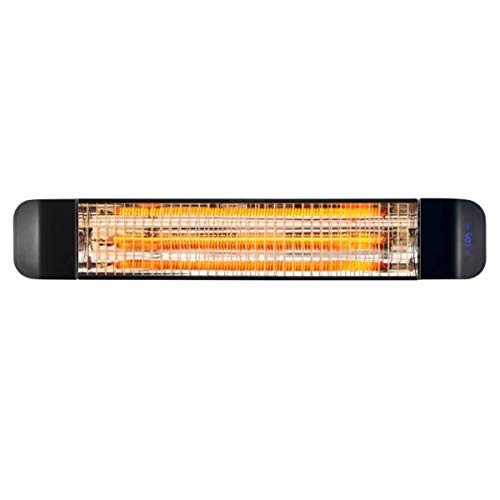
A patio electric heater is a fantastic option to enjoy outdoor dining or entertaining even after the sun goes down. They are easy to operate, cost-effective and easy to use, providing a powerful radiant heat that helps keep you and your guests comfortable, particularly on cold nights. To ensure safety and durability they must be correctly installed. Before you install any type of professional installation, it's important to follow the manufacturer's recommendations and consult an electrician or plumber if you are using a gas-powered model.
When you are choosing an electric patio heater it is important to first decide the size of the area you want to heat. In general, a patio heater with a greater BTU (British Thermodynamic Unit) rating is more powerful and will provide greater coverage. A higher BTU rating requires more electricity.
Another thing to consider is whether you would prefer to mount your heater on the wall or ceiling. your electric patio heater. Both options have pros and pros and. please click the next internet page -mounted units are less bulky and can be put in a variety locations. They aren't easy to reach and their nozzles have to be cleaned regularly.
A patio heater that is mounted to the ceiling can offer a more contemporary, sleek look and is perfect for areas with high ceilings. This is an option available for all Bromic's electric models and requires a minimum space within the ceiling, ranging by model.
You can also choose a patio heater that runs on propane gas or natural gas. These heaters aren't as portable than electric heaters, but they still provide a high temperature and can be switched on or off easily by remote controls or a built-in clock. However, because they rely on combustion for their operation, gas-powered units aren't as safe as their electric counterparts and require frequent maintenance.
Wood-burning units, such as metal firepits, chimineas, or built-in bricks fireplaces are attractive to those who prefer heating their patios in a traditional manner. They also add an authentic look to your outdoor space. These types of units are difficult to maintain as they require frequent cleaning of ash and debris. They can also produce sparks that could be dangerous if they are not properly maintained.